

“Uncle John, are we out of South Africa yet?’”
Johnny Paarman
The story is as old as surfing itself. Young grommets in the shorebreak stealing lost boards, picking up scraps of waves, before the older guys come wading toward them, retrieve their ride with a bellicose grunt, and bugger off to back line. So it was at Glen Beach in Camps Bay, Cape Town more than 60 years ago, where a thriving surf scene – the only one like it on the entire Atlantic coast – had been pioneered by a hardy few.
Initially, it was only six surfers with enough balls to brave the freezing Cape Atlantic surf in the early 1950s, with no wetsuits and no leashes. Led by John Whitmore, Earl Krause, Brian ‘Pikki Higgo’, David Meneses, Gordon Verhoef and Tim Paarman first paddled out to surf Glen Beach in the summer of 1954.
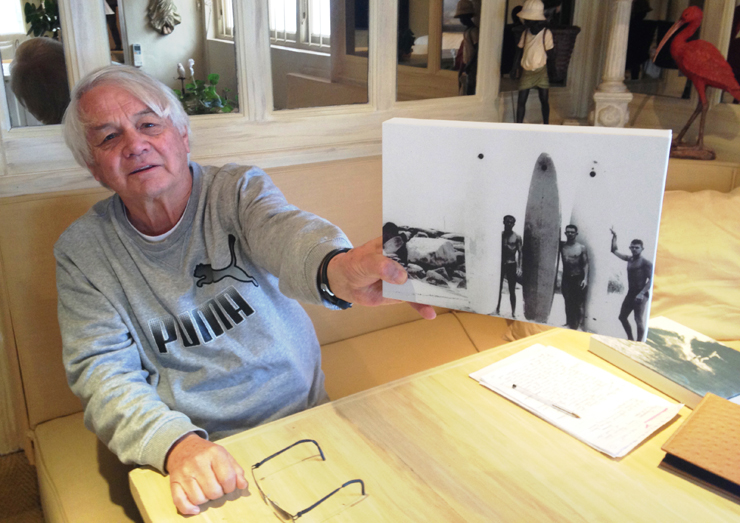
Earl Krause holding a Gordon Verhoef image of himself in the middle holding the first foam board that John Whitmore made. On Earl’s left is Tim Paarman and on his right is Brian Higgo. The photograph was taken at Glen Beach in the early 50’s. Photo of Earl by Miles Masterson.
Within a few years, several others followed and by the end of the decade a few dozen surfers from Camps Bay and surrounds were the proud owners of Whitmore surfboards and there was a thriving local surfing scene, which for decades was one of the strongest hotbeds of talent in the country.
Among these fearless youngsters were two boys from the Paarman family, who already counted older uncles as accomplished surfers among their ranks, Glen Beach original Tim, and his younger brother, Roger, who was emerging as a stylish and skilled wave rider in his own right.
But, it would be their two eldest nephews whose surfing skills would eventually come to eclipse their uncles – and almost everyone else in South Africa – in the coming decades. Born in 1952 and 1954, respectively, Donald and Jonathan Paarman were the eldest of the eventual six sons of Kenny and Leone, the Whitmore’s Bakoven neighbours and family friends.
In one of the earliest photographs taken of the two siblings, they are captured roughhousing on one of the first wood and canvas Whitmore boards, which Donald captioned in his autobiography: “Destiny or what. Two future Springbok surfers getting the vibe early in life”. In another picture, Donald, Jonathan and their baby brothers, Sean and Lee, can be seen using the same Whitmore board as a backyard slide.
“My dad’s brother, Timothy, was one of the twenty pioneer surfers in Cape Town,” recalled Donald. “After him came my uncle Roger, who is the youngest of the ten original male Paarmans. The original wooden boards were slowly replaced with colourful, epoxy longboards. As children we were allowed to borrow Uncle Roger’s board while he was at work.”
As soon as the Paarman siblings were old enough to walk the short distance down the coast from Bakoven to Glen Beach by themselves, the seaside bungalow of their grandparents Pearl and Fred became their second home. “Right from the beginning, surfboards were automatically left in their backyard,” recounted Donald. “Up to thirty boards could be seen on the racks Grandma had insisted be built.”
As he grew older, Donald then started waiting for his uncle John and the older surfers above Glen Beach, hoping to be invited on one of their surf trips to the South Peninsula or elsewhere. “I used to hang around at the car park kicking stones around until John would say ‘oh shit’ you know ‘get in’,” he said. “So I’d climb in the back of the Kombi and go surfing with all these 20- and 30-year-old guys and watch them. Eventually they’d lend me a surfboard once or twice and it was game on.”

Donald surfing in Cape Town, mid 60s. Photo by Julian Adler / SA Surfer Magazine.
Like his older brother Donald, Jonathan Paarman – forever known as either Johnny or ‘JP’ – was barely out of pre-school when he began surfing at Glen Beach on a Whitmore surfboard. “He was five years old, went down with his uncle Tim, who pushed him in a wave,” Tim’s cousin Earl Krause recalled the moment. “He was natural from day one.”
“I used to hang around at the car park kicking stones around until John would say ‘oh shit’ you know ‘get in’. So I’d climb in the back of the Kombi and go surfing with all these 20- and 30-year-old guys and watch them. Eventually they’d lend me a surfboard once or twice and it was game on.”
Donald Paarman
Before long, Johnny also started to tag along with his brother on surf trips around the Cape in his uncle John’s Kombi and by the age of twelve was winning surfing contests in 12 foot plus waves. “We grew up on the beach bodysurfing in the shorebreak, playing in tin canoes and watching my uncles surf for hours. When they came in we would jump on their boards,” said Johnny. “It’s a whole family thing, we go back a long way. John and Earl babysat us as puppies. They would all phone each other and get together and go surfing [and] they used to take me with them.”

Johnny at Glen Beach. Photo Zigzag
Though the younger Paarman initially whet his appetite for riding waves at Glen Beach, and occasionally on the fringes of Balie Bay when the swell was up, Johnny revealed his potential as a big wave surfer when he began charging huge swells of Kommetjie, at first at the outside reefs at Long Beach – and then the notorious Outer Kom. “They would ride the big waves and I wasn’t going to sit on the beach, so I’d paddle out,” said Johnny.
Uncle Tim recalled the first time his little nephew Johnny ventured out into serious surf at an outer reef. “He must have been about 6 or 7 years old,” Tim said, “and then the next minute he stands up and is shaking and shouting and going mad, and that’s the first time Johnny ever stood up on a big wave.”
Contrary to being dragged out there by the older surfers, Tim recounted with family pride how Johnny was almost maniacally obsessed in paddling out after them, despite their paternal concerns. “Johnny wanted to go out,” he said. “He had no qualms about that.”
-
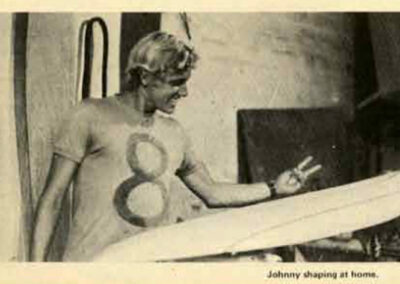
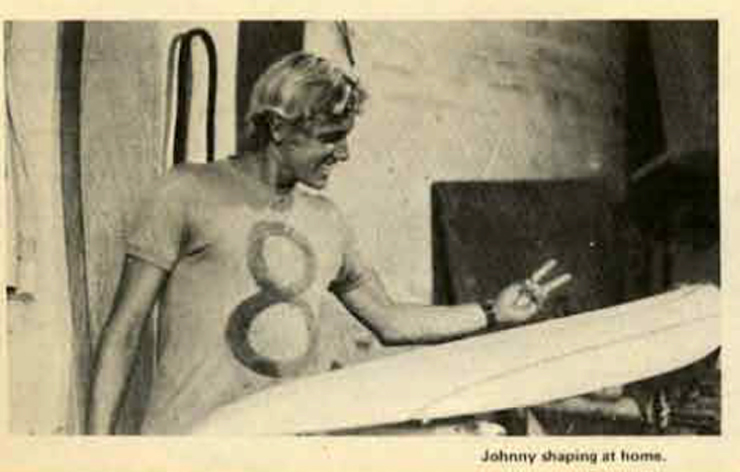
Johnny Shaping at Home
-

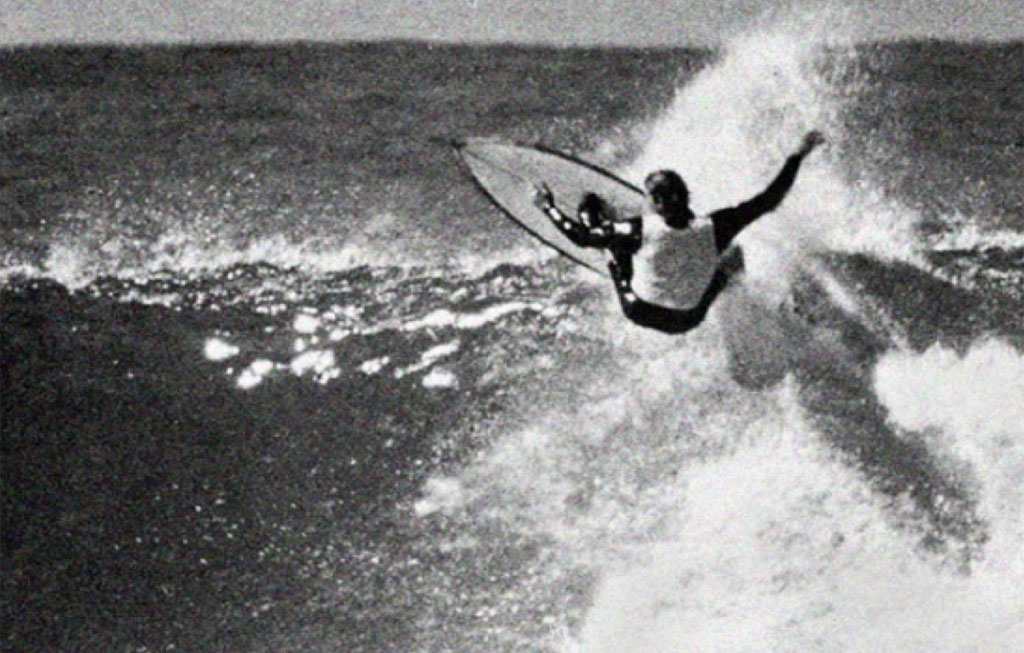
Johnny at J-Bay.
-

Springbok Team.
-

Donald with his haul of trophies, which as a junior included the South African surfing championship. Image Paarman Collection.
-
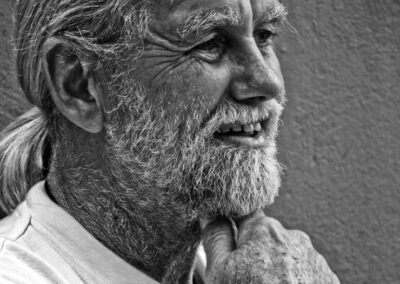
Donald in 2010.
-
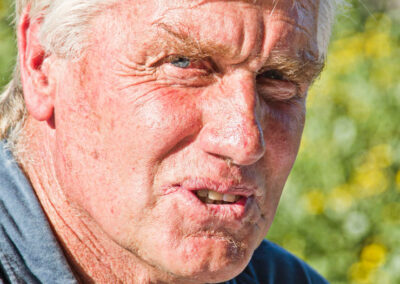
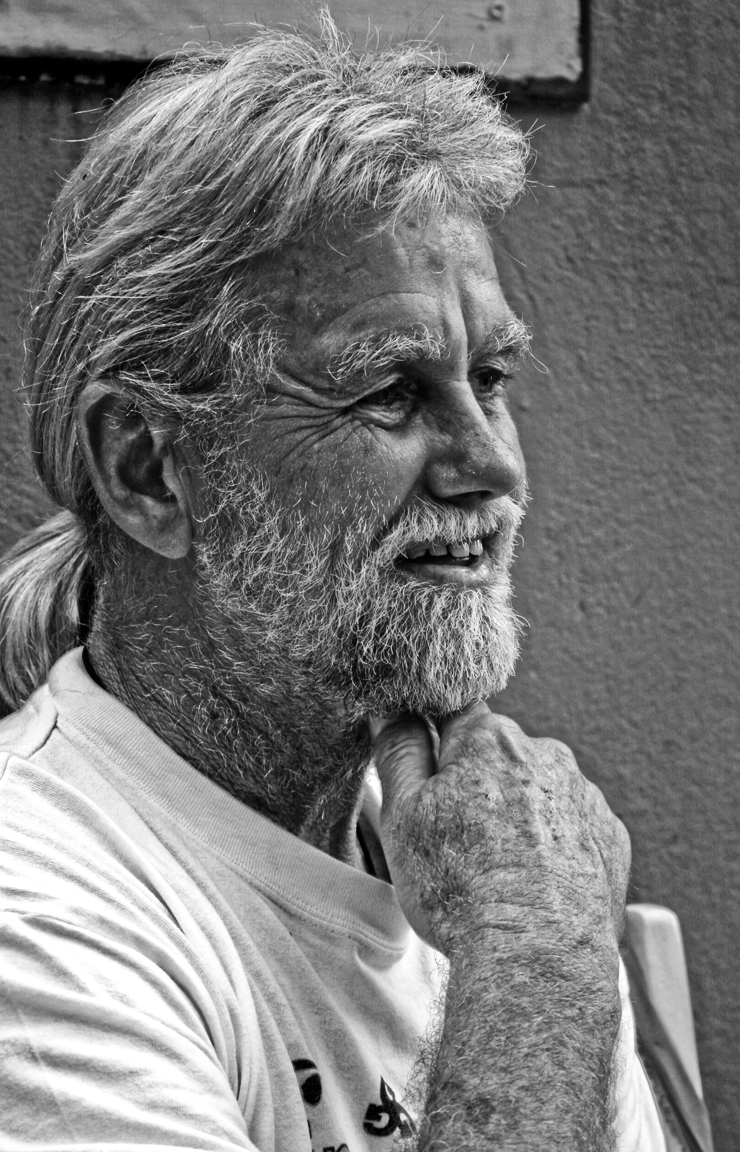
Johnny in 2019.
-
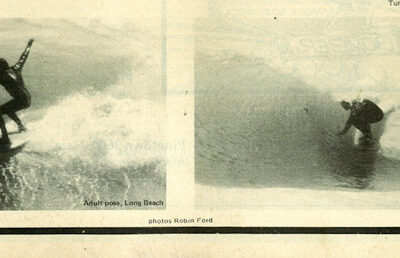
Johnny ripping at the Hoek.
-
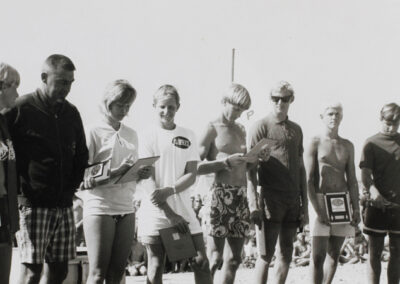
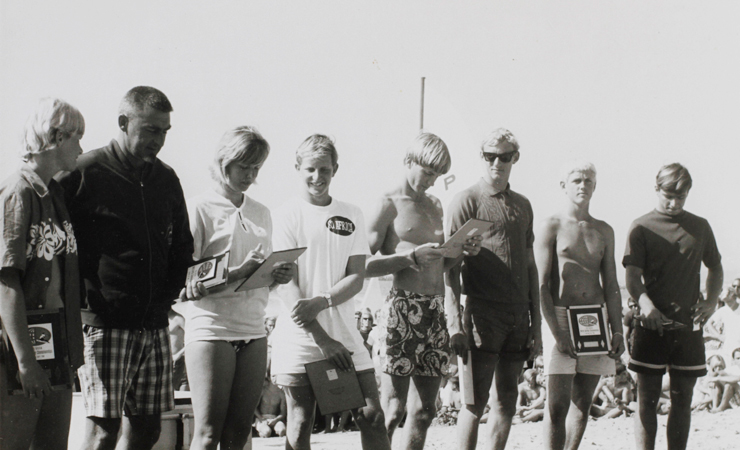
Donald (far right) with Uncle John (second left) and the 1966 Springboks at the ISF world contest in San Diego.


Soon enough, the younger Paarman brother became a regular alongside his brother on every surf trip he could work his way into, both usually dumped in the dogbox of his uncle John’s Kombi under all the Whitmore boards.
“If the Mouille Point Pipe was going, then they were all handing the boards down the wall,” said Johnny. “I used to watch all this. For me as a young kid, they used to travel. I remember going out to one place, I think it was Kleinmond or somewhere, with one guy Arthur Holgate and all these guys, and I remember Uncle John used to say to me ‘ja ja, you used to ask me, ‘Uncle John, are we out of South Africa yet?’ So you can work out how young I was.”
“I remember going out to one place, I think it was Kleinmond or somewhere, with one guy Arthur Holgate and all these guys, and I remember Uncle John used to say to me ‘ja ja, you used to ask me, ‘Uncle John, are we out of South Africa yet?’ So you can work out how young I was.”
Johnny Paarman
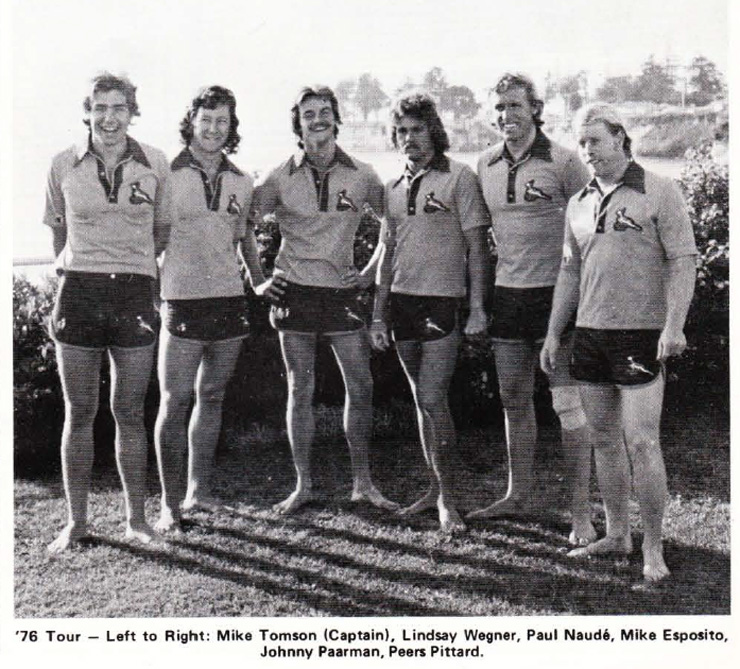
John Whitmore’s early influence on Donald and Johnny was immense. It was their uncle John who, as president of South African Surfriders Association, secured Springbok colours for South African surfers in 1966, ensuring that several Paarmans would earn their green and gold for the sport in the coming decade, including younger brother Roger. As teenagers he took them to surfing competitions around the world, coached, trained them and rewarded their incredible surfing prowess with well-deserved selection for the South African national surfing team, often paying out of his own pocket or helping to raise funds for their entry fees, boards and flights to overseas contest venues.

Johnny (far left) and John (second from right) en route with the other Cape Town-based Springbok surfers to the 1972 ISF world contest in California.
The investment and hard work paid off. Both Donald and Johnny became famous in the competitive surfing world for their incredible ability as hard-charging, talented surfers who outsurfed and beat the best at several ISF world champs in the 60s and 70s. The more graceful and subliminally positioned, true point break style master, Donald was the foil to his younger brother. Johnny’s brutal squat legged manhandling of waves in the double overhead zone in Cape Town and Hawaii, and his demolition of Supertubes in Jeffreys Bay, remain legendary performances for a South African surfer.
But while Johnny enjoyed a long, fruitful career as a contest surfer, his older brother Donald’s light shone bright and burned out early. Recognised by in world surfing as one of the most subtly stylish and technically gifted surfers to ever grace a stringerline, Donald had a stellar run as a junior and put the top overseas surfers on notice in several international contests, but never really fulfilled his potential in a contest vest. However, like his brother, some of his sessions at Jeffreys Bay will go down as epochal, especially for a backside surfer. Always a standout, Donald’s surfing at the time was indeed a thing of beauty to watch.
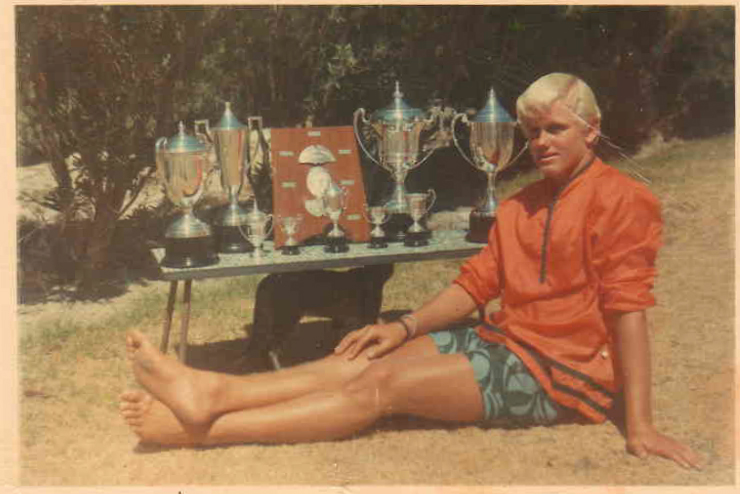
Donald with his haul of trophies, which as a junior included the South African surfing championship. Image Paarman Collection.
But Donald strayed from the path. A flamboyant hippie, his behaviour became erratic, and he succumbed to the voices in his head and far too much marijuana, acid and who knows what else. By the mid-1970s, Donald was sucked into the vortex of a whirlwind, psychedelic life and faded from the surf scene. He would later reemerge as a latter day middle-aged journeyman and score his share of waves in the Southern Cape while writing his memoirs before succumbing to cancer a few years back. Forever immortalised by his own hand in his 2009 rollercoaster, confessional autobiography – ‘Lunatic Surfer or Destiny Springbok……Whaaat!” – may Donald Paarman Rip in Peace.
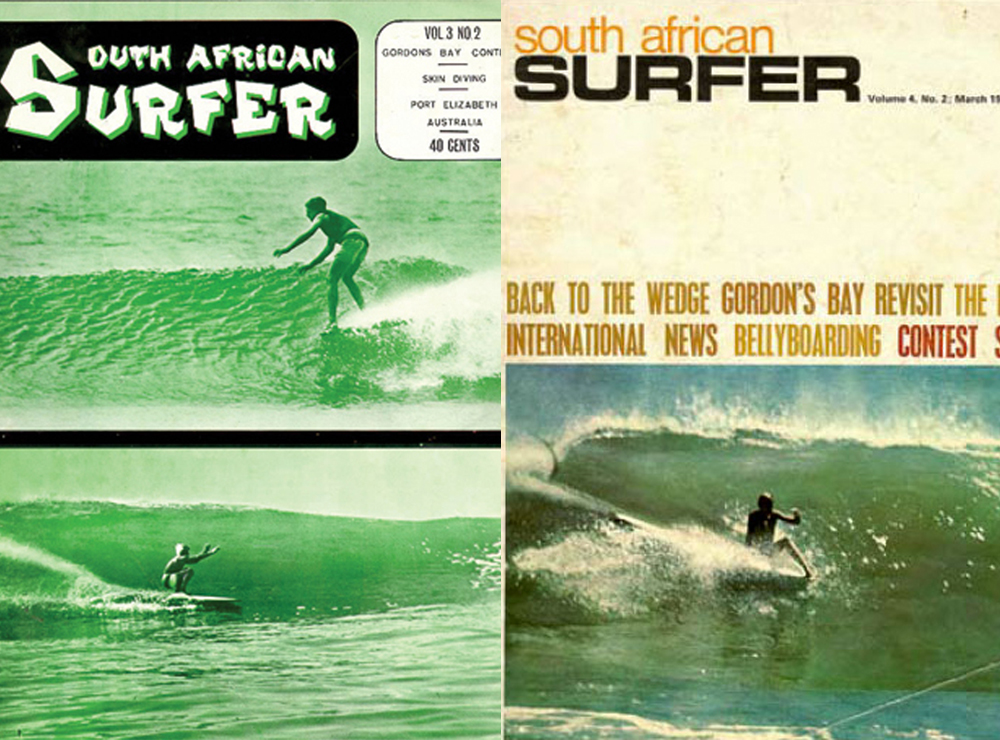
Donald and Johnny both made the cover of Harry Bold’s 1960s SA Surfer magazine, Donald sharing it with Peter Daniels (top) in April 1967 (photos by George Thomopoulos and Julian Adler) and Johnny in the final edition in March 1968 (photographer unknown).
On the other hand, his brother, the quiet and reserved Johnny – known in competitive circles as ‘The Iceman’ – went right to the top level of the sport on the IPS tour. Turning pro in the 70s after finishing 7th at the ISF world event in San Diego in 1976, he placed highly in several pro events – including a career best second at the Gunston 500 and finished 15th in the world in 1977.
Often referred to as the son John Whitmore (the father of three daughters) never had, Johnny Paarman stayed close to his uncle John his entire life, following his surfing career by working his uncle’s surfboard and boat building factories. Earning a reputation as a fearless big wave rider, yachtsman, Hobie Cat sailor, surfboard builder and fibreglass craftsman in his own right, Johnny also took over his uncle John’s radio surf report when he retired in the early 1980s.
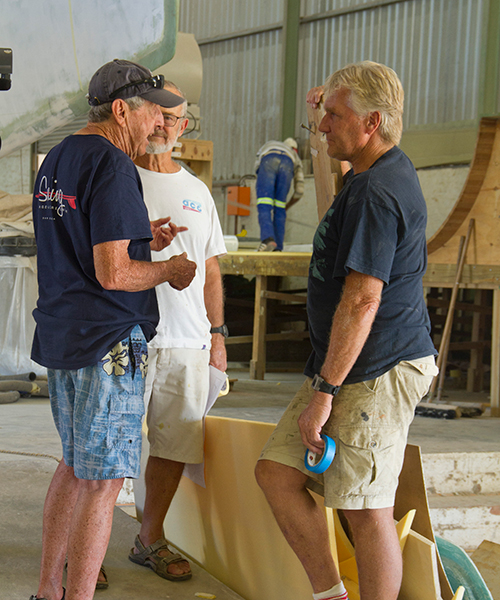
Johnny Paarman (far right), Dick Metz and Geoff Fish in the Nexus factory in 2019 in St Francis on the set of American film maker Richard Yelland’s documentary about the origins of The Endless Summer movies and the discovery of Bruce’s Beauties at Cape St Francis. Photo by Miles Masterson.
Now living with his wife Lynda and still occasionally surfing in St Francis, Johnny Paarman runs the Nexus Yacht and Balance Catamaran boatyard, where he and several old Cape Whitmore Pty Ltd hands – including John’s right-hand man Geoff Fish and younger brother Roger – make boats for wealthy clients. “It’s just like making a giant surfboard,” says Johnny.
It is here, in JP’s factory, that the spirit of his Uncle John Whitmore – The Oom – is as omnipresent as the sweet smell of resin and fibreglass hanging in the air.
By Miles Masterson
Get a copy of ‘The Oom’

‘The Oom – The Biography of South African Water Sports Pioneer John Whitmore’ is the illustrated life story of a man who made a massive impact on several ocean-based water sports in the country from the 1950s to the 1980s.
Buy a numbered copy, signed by the author that comes with a limited-edition Whitmore Surfboards sticker for R495.
Get your copy here.